
What Causes Hair Loss? The Science Behind Why It Happens and How to Stop It
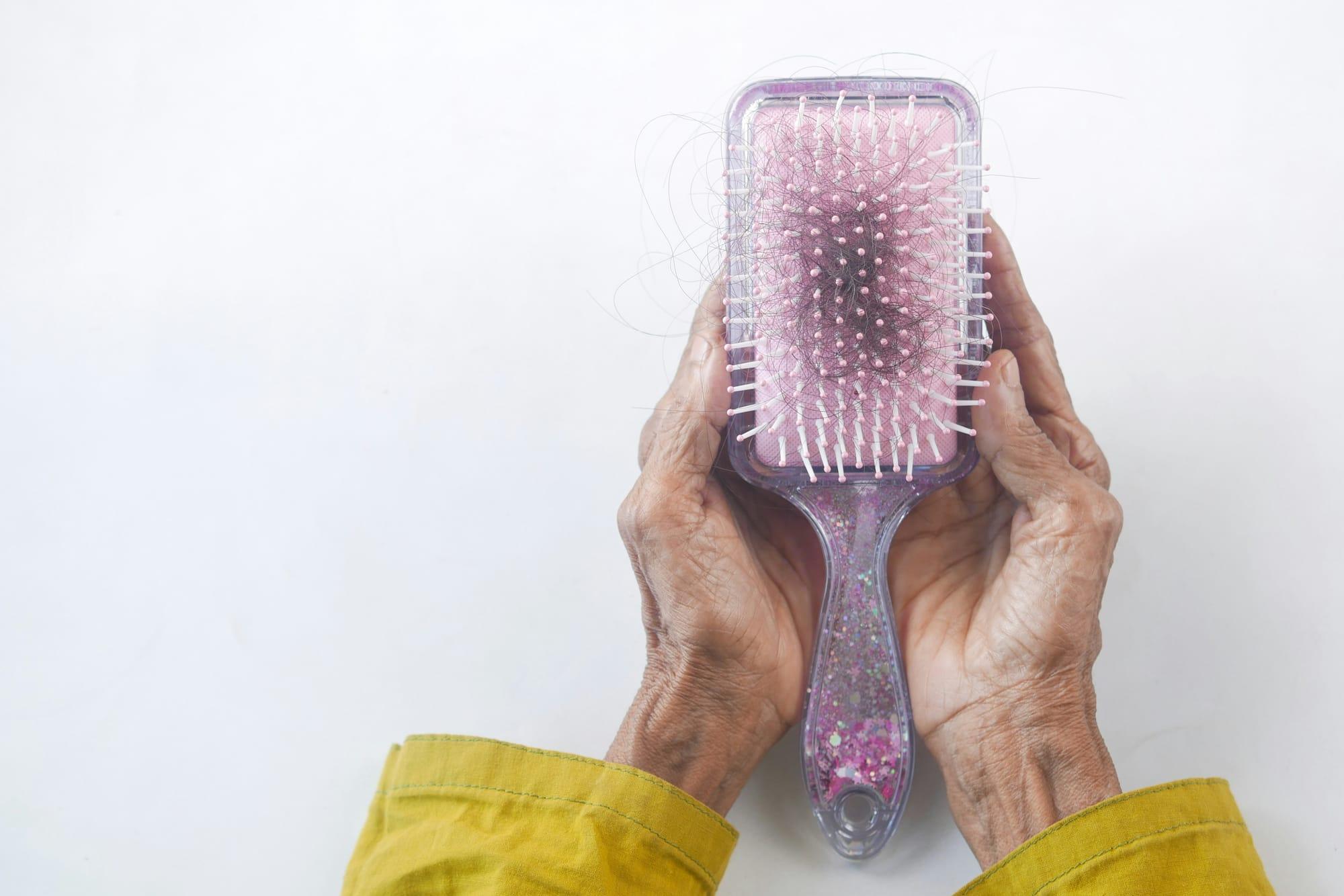
If you’re noticing more hair in the shower drain or your hairline creeping back, you’re not alone. New Zealand actually ranks among the highest countries globally for male hair loss, with over 40 percent of Kiwi men experiencing visible balding [1]. By the time men hit 50, that number jumps to 85 percent [2].
But what’s actually happening on your scalp? While it’s easy to blame stress or wearing hats, the reality is usually much simpler and much more scientific.
At Magna Health, we see thousands of patients dealing with hair loss. In the vast majority of cases, it comes down to a single, predictable process. Here is the science behind what causes hair loss, the other factors that can trigger it, and why understanding the cause is the first step to keeping your hair.
The Main Culprit: Androgenetic Alopecia (Male Pattern Baldness)If you are a man losing your hair, there is a 95 percent chance you are dealing with Androgenetic Alopecia [3]. This is the clinical term for male pattern baldness, and it is entirely hereditary.
Despite the myths, it isn’t caused by poor circulation, washing your hair too often, or wearing beanies. It is caused by a specific hormone and your genetic sensitivity to it.
The Role of DHT The primary driver of male pattern baldness is a hormone called Dihydrotestosterone, or DHT. Your body naturally produces an enzyme called 5-alpha reductase, which converts a small amount of your testosterone into DHT [4].
For most functions in the male body, DHT is perfectly normal and necessary. But if you have the genetic predisposition for male pattern baldness, the hair follicles on your scalp are highly sensitive to this hormone.
When DHT binds to the receptors in these sensitive follicles, it triggers a process called follicular miniaturisation [5].
How Miniaturisation Works:
Follicular miniaturisation doesn’t happen overnight. It is a slow, progressive process where DHT gradually chokes the life out of the hair follicle:
1 The growth phase shortens: Normally, a hair grows for two to six years before shedding. DHT forces the follicle to cut this growth phase shorter and shorter.
2 The hair becomes thinner: As the follicle shrinks under the influence of DHT, the hair it produces becomes finer, lighter, and shorter. This is why thinning hair often looks like "peach fuzz" before it disappears completely.
3 The follicle goes dormant: Eventually, the follicle shrinks so much that it stops producing hair entirely. Once a follicle has been dormant for too long, it cannot be revived [6].
This is why we constantly tell our patients: hair loss is a progressive condition. The longer you let DHT attack the follicles, the harder it becomes to reverse the damage. Early intervention is the only proven way to stop miniaturisation and protect the hair you still have.
Other Common Causes of Hair LossWhile DHT is responsible for the vast majority of hair loss in men, it isn’t the only cause. If your hair loss is sudden, patchy, or happening all over your head rather than just at the hairline or crown, one of these other factors might be at play.
Telogen Effluvium (Stress-Induced Hair Loss)If you’ve recently gone through a period of intense physical or emotional stress, you might experience a condition called Telogen Effluvium [7].
Your hair grows in cycles: a growth phase (anagen) and a resting phase (telogen). Severe stress—such as a major surgery, severe illness, drastic weight loss, or intense psychological trauma—can shock your system and force a large number of hair follicles prematurely into the resting phase [8].
About two to three months after the stressful event, these resting hairs fall out en masse. The good news? Telogen Effluvium is usually temporary. Once the stressor is removed, the hair cycle typically resets and regrows within three to six months [9].
Medical Conditions and Deficiencies Sometimes, hair loss is a symptom of an underlying health issue.
• Thyroid Disorders: Both an underactive thyroid (hypothyroidism) and an overactive thyroid (hyperthyroidism) can disrupt the hair growth cycle, leading to diffuse thinning across the entire scalp [10].
• Nutritional Deficiencies: Your hair follicles require significant energy and nutrients to grow hair. Severe deficiencies in iron, vitamin D, zinc, or B vitamins can trigger shedding.
• Alopecia Areata: This is an autoimmune condition where the body’s immune system mistakenly attacks healthy hair follicles, resulting in sudden, unpredictable patches of hair loss. It affects about 2 percent of the population globally [11].
Why the Cause Matters for Treatment
Understanding exactly what is causing your hair loss is critical because it dictates how you treat it.
If you are experiencing stress-induced Telogen Effluvium, buying expensive shampoos won't help—you need to address the underlying stressor and give your body time to recover. If a thyroid issue is causing your shedding, you need to treat the thyroid.
But if you are among the 95 percent of men dealing with Androgenetic Alopecia, the science is clear: you have to address the DHT.
Vitamins, scalp massages, and laser combs cannot stop DHT from binding to your hair follicles. The only way to stop male pattern baldness is with clinically proven medical treatments that either block the conversion of testosterone into DHT, or directly stimulate the follicle to counteract the miniaturisation process.
We've compared all of them - what works, what doesn't, and what each costs - in our complete guide to hair loss treatment in NZ.
Taking Action:
Hair loss can feel inevitable, especially if you look at the older men in your family. But your dad’s hairline doesn’t have to be yours.
At Magna Health, we specialise in diagnosing the cause of your hair loss and prescribing the clinically proven treatments required to stop it. Because we operate entirely via telehealth, you can consult with a registered New Zealand doctor and get a personalised treatment plan without ever needing to visit a clinic.
If you’re noticing the early signs of thinning, the best time to act is right now, before those follicles go dormant permanently.
Start your free online assessment today to see if treatment is right for you.
References
[1] World Population Review. (2026). Baldness by Country 2026. https://worldpopulationreview.com/country-rankings/baldness-by-country
[2] American Hair Loss Association. (n.d.). Men's Hair Loss. https://www.americanhairloss.org/mens_hair_loss/
[3] NYU Langone Health. (n.d.). Most Men Experience Hair Loss—But It Isn’t Inevitable. https://nyulangone.org/news/most-men-experience-hair-loss-it-isnt-inevitable
[4] Healthline. (2019). DHT: How It Causes Hair Loss and How to Slow It. https://www.healthline.com/health/dht
[5] Asfour, L., et al. (2023). Male Androgenetic Alopecia. Endotext - NCBI Bookshelf. https://www.ncbi.nlm.nih.gov/books/NBK278957/
[6] Mayo Clinic. (2026). Hair loss - Symptoms and causes. https://www.mayoclinic.org/diseases-conditions/hair-loss/symptoms-causes/syc-20372926
[7] Cleveland Clinic. (2022). Telogen Effluvium: Symptoms, Causes, Treatment & Regrowth. https://my.clevelandclinic.org/health/diseases/24486-telogen-effluvium
[8] British Association of Dermatologists. (n.d.). Telogen effluvium. https://www.bad.org.uk/pils/telogen-effluvium
[9] StatPearls - NCBI Bookshelf. (2024). Telogen Effluvium. https://www.ncbi.nlm.nih.gov/books/NBK430848/
[10] The Health Site. (2024). Follow This Checklist To Arrest Thyroid-Induced Hair Loss. https://www.thehealthsite.com/fitness/diet/follow-this-checklist-to-arrest-thyroid-induced-hair-loss-1063704/
[11] Fricke, A.C.V., et al. (2015). Epidemiology and burden of alopecia areata. PMC - NIH. https://pmc.ncbi.nlm.nih.gov/articles/PMC4521674/